

Wechat QR code
Wechat QR code

15311826613
Click to add WeChatMetallic molybdenum, due to its excellent properties such as high temperature resistance, corrosion resistance, and good electrical and thermal conductivity, is widely used in the steel industry, electronic components, aerospace, chemical industry, and other industrial and technological fields. Molybdenum ore resources are the main source of metallic molybdenum, and its development and utilization level directly affects the development of related industries and technological progress. With the continuous development of these industries, the market demand for metallic molybdenum is increasing. Choosing suitable and efficient molybdenum ore beneficiation technology is the main way to develop and utilize molybdenum ore resources. The following will introduce the beneficiation methods for single molybdenite and molybdenum-bearing polymetallic ores to help you further understand molybdenum ore beneficiation.
I. What are the types of molybdenum ore?
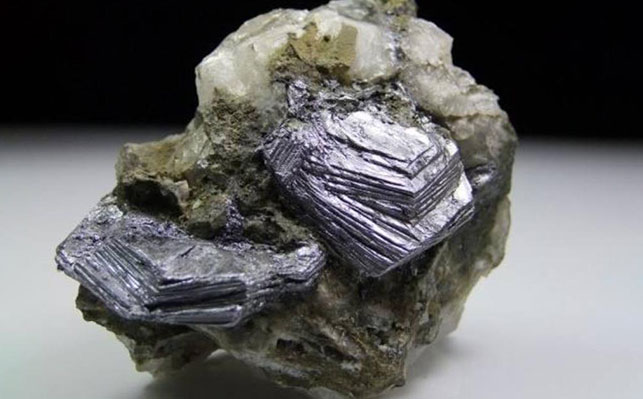
Common types of molybdenum ore include: single molybdenite, molybdenum-bearing polymetallic ores, and high-oxidation molybdenum ores. Talc-type molybdenum ores, talc-type copper-molybdenum ores, and molybdenum ores with fine disseminated grains are all difficult-to-beneficiate ores. These difficult-to-process molybdenum ores have higher grades than industrial molybdenum ores and contain valuable metals such as lead, gold, and silver, making them valuable for development and utilization. However, traditional flotation methods are insufficient to improve the utilization rate of these ores, resulting in low concentrate grades and low product quality. Therefore, it is necessary to select appropriate beneficiation methods based on the specific ore type to improve mineral utilization.
This beneficiation method for molybdenite generally employs a roughing-re-grinding process. When flotating molybdenite, non-polar oils are added to the pulp as collectors, along with frothers to improve flotation efficiency. Adding small amounts of reagents such as butyl xanthate, pentylenetene ester, dodecyl mercaptan, or butanol to the pulp, and mixing them with kerosene, can improve the flotation performance of molybdenite. Adding hydrocarbon emulsifiers to the slurry can enhance the roughing effect in the molybdenite flotation process, while adding hydrocarbon oils and sulfur-based collectors can improve the flotation effect of molybdenite.
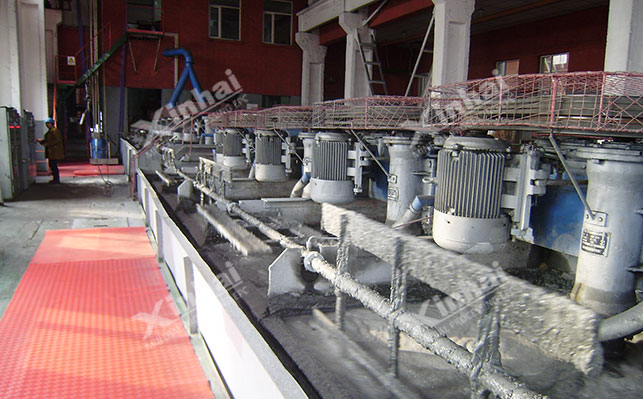
Copper-Molybdenum Polymetallic Ores Beneficiation Methods: Copper-molybdenum ores present certain beneficiation challenges, primarily due to the low grade and fine particle size of the raw ore. Beneficiation plants typically employ both preferential flotation and mixed flotation methods to process these ores. Preferential flotation can process molybdenum ores containing little or no copper or lead sulfide minerals (such as single molybdenum ores, tungsten-molybdenum ores, and iron-molybdenum ores), and can recover primary molybdenum. Mixed flotation is mostly used to process molybdenum ores containing copper or lead sulfide minerals (such as copper-molybdenum ores and lead-molybdenum ores), and is the opposite of preferential flotation. In mixed flotation, xanthate collectors and hydrocarbon oil reagents are used to select a mixed concentrate of copper-molybdenum ore, which is then separated.
Quartz vein gold-molybdenum-lead-sulfur polymetallic ore: A mixed rough concentrate is preferentially floated out, followed by gold recovery via cyanide leaching. Molybdenum is separated from the tailings to obtain a final molybdenum concentrate. The flotation tailings require lead-sulfur separation to recover lead and sulfur concentrates.
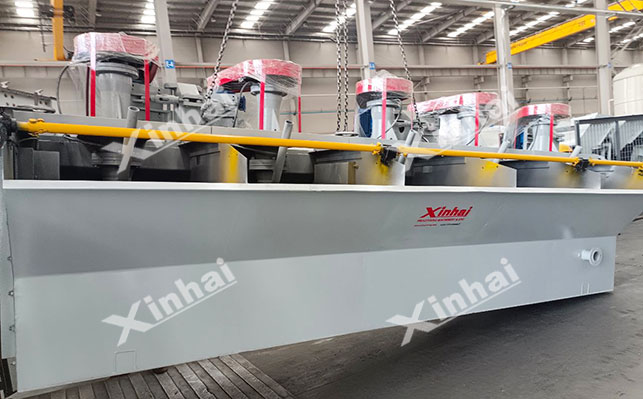
Low-grade tungsten-molybdenum-bismuth ore: A mixed flotation is performed to obtain a molybdenum-bismuth rough concentrate, followed by molybdenum-bismuth-sulfur separation and molybdenum-bismuth separation.
The floatability of talc in the ore is similar to that of molybdenite, and they can be considered "equally floatable minerals." Existing beneficiation technologies struggle when processing mixed ores of these two minerals. Talc is easily crushed and becomes muddy, requiring desliming treatment before molybdenum ore flotation. This is currently one of the effective ways to address talc mudding and improve the beneficiation efficiency of this ore.
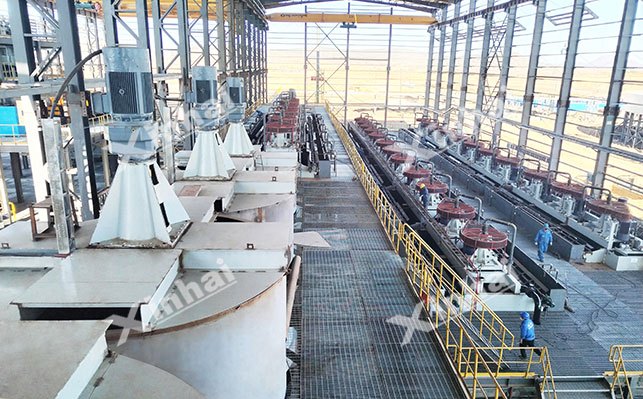
Nickel-molybdenum ores are complex polymetallic mineral resources. Besides valuable metals Ni and Mo, the ore also contains large amounts of platinum group metals, rare earth metals, and graphite. Because the minerals are associated with pyrite, traditional beneficiation methods cannot effectively separate nickel and molybdenum; therefore, combined processes are required. Common beneficiation methods include roasting-leaching, high-temperature oxygen pressure leaching, and ambient temperature wet leaching. These methods are mainly used for processing molybdenum ores with a grade of 2% or higher.
The above is a brief introduction to the types of molybdenum ores and their beneficiation methods. The low technical and economic indicators of difficult-to-beneficiate molybdenum ores restrict the development and utilization of molybdenum resources. Therefore, it is necessary to conduct beneficiation tests and analyses on difficult-to-beneficiate molybdenum ores, formulate suitable beneficiation schemes and equipment, and thereby improve the utilization rate of molybdenum resources.
 CHAT
CHAT MESSAGE

 Consult
 Message
