

Wechat QR code
Wechat QR code

15311826613
Click to add WeChatLead and zinc are important non-ferrous metals widely used in various fields. Therefore, the rational development and processing of lead-zinc ore resources is of great significance to the development of the industrial economy. Based on different mineralization processes, lead-zinc ores can be classified into different types. In actual production, adopting appropriate beneficiation technologies can effectively improve the recovery rate and economic benefits of lead-zinc ore. The following will introduce the operations at different stages of the lead-zinc ore beneficiation process, helping you better understand the utilization pathways of lead-zinc ore and deeply grasp the core logic of the lead-zinc ore beneficiation process.
Crushing: This is the first step in the lead-zinc ore beneficiation process, mainly crushing the ore to a suitable particle size to facilitate subsequent beneficiation operations. Commonly used crushing equipment includes jaw crushers and cone crushers. Jaw crushers are mainly used for coarse crushing, with advantages such as simple structure, convenient operation, and easy maintenance; cone crushers are mainly used for medium and fine crushing of lead-zinc ore, and this equipment has high crushing efficiency.
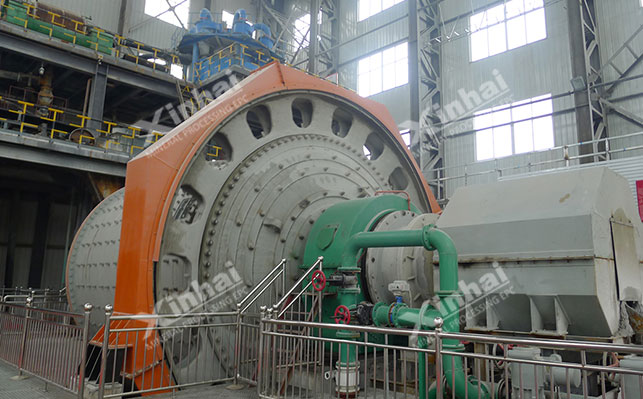
Grinding: This involves further refining the crushed ore to fully liberate the valuable minerals. Commonly used equipment includes ball mills and rod mills. The particle size distribution during grinding directly affects the results of subsequent beneficiation processes; therefore, grinding time and fineness need to be optimized through grinding experiments. As a fundamental step in lead-zinc ore beneficiation, the quality of this process is crucial to the overall beneficiation effect.
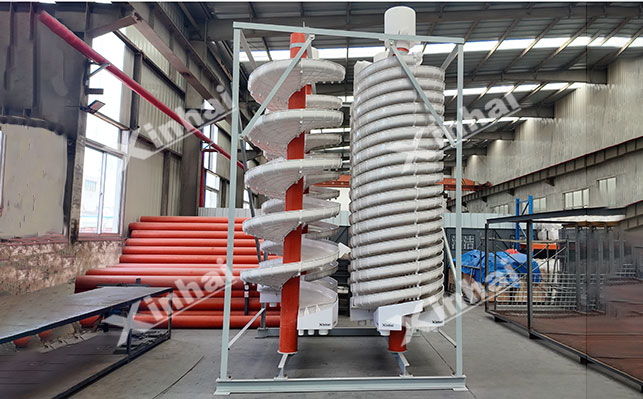
Gravity Separation: This method utilizes the density difference between lead-zinc ore and other gangue minerals for separation. Commonly used equipment includes jigs and shaking tables. Jigs separate ore based on differences in settling velocity and are used for coarser lead-zinc ore. Shaking tables separate ore by stratifying it on the table surface through vibration and are mainly used for fine-grained lead-zinc ore.
Heavy Media Separation: This method separates ore based on density differences in a heavy medium (such as heavy liquid or heavy suspension). This method is suitable for processing coarser lead-zinc ore and can effectively improve separation efficiency.
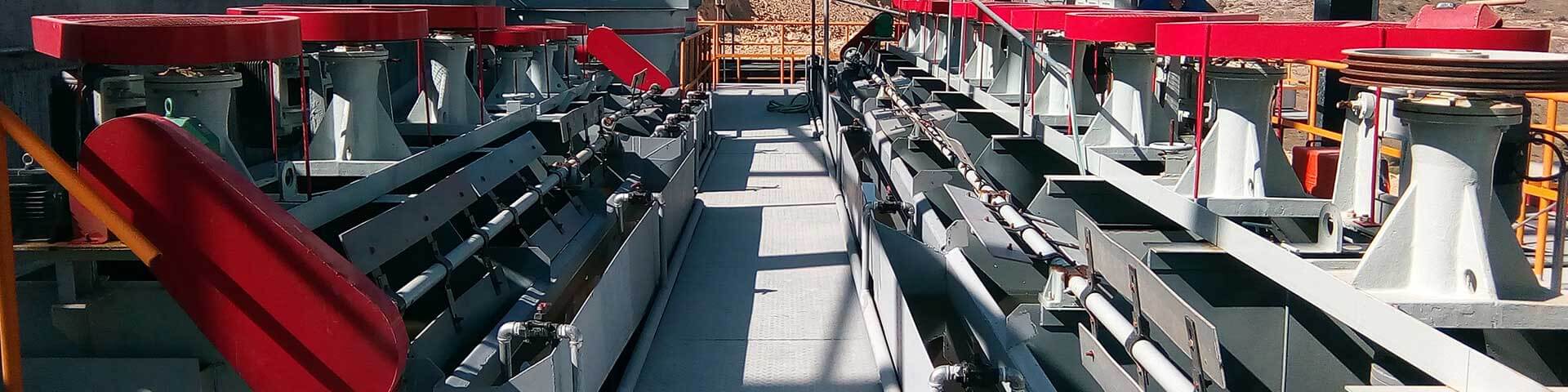
Lead-zinc ore flotation is one of the main methods for lead-zinc ore beneficiation. It utilizes chemical reagents to separate mineral particles by binding them to air bubbles. The flotation process can be divided into: collector selection, modifier application, and flotation flow design. As one of the most widely used methods in lead-zinc ore beneficiation, optimizing flotation technology significantly improves beneficiation efficiency.
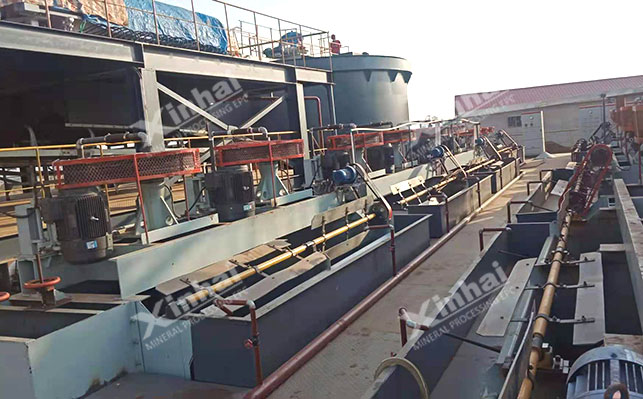
Collector Selection: Based on the flotation characteristics of lead-zinc ore, suitable collectors, such as xanthates and dioxins, need to be selected.
Modifier Application: By adding frothers, depressants, and other modifiers, the selectivity of the flotation process can be altered to ensure the separation of lead and zinc.
Flotation Flow Design: A reasonable flotation flow needs to be designed according to the ore properties, including roughing, cleaning, and scavenging operations. The success of flotation directly affects the recovery rate of lead-zinc ore.
Magnetic Separation: This method separates lead-zinc ore from other minerals based on their magnetic properties. It is primarily used to separate lead-zinc ore containing magnetically separated minerals. This method can effectively reduce the content of non-metallic minerals, thereby increasing the grade of the lead-zinc ore.
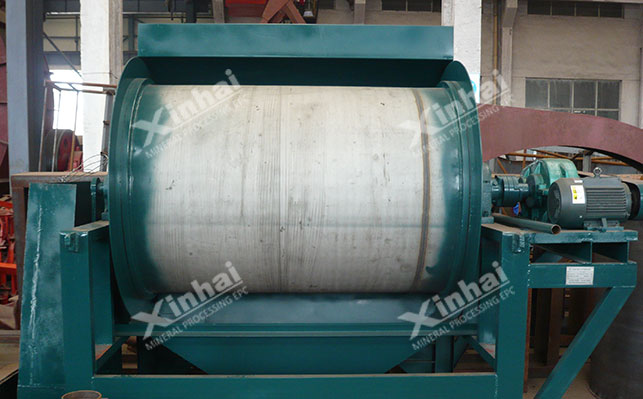
Electrostatic Separation: This method separates minerals based on their electrical properties in a high-voltage electric field. Electrostatic separation is effective for separating fine-grained lead-zinc ore and can significantly improve beneficiation efficiency.
Chemical Beneficiation: This method separates valuable minerals from gangue minerals through chemical reactions. It is suitable for processing complex and difficult-to-beneficiate lead-zinc ores, but it is relatively expensive. In actual production, chemical beneficiation is often used as an auxiliary method in combination with other beneficiation methods.
Microbial Leaching Technology: This technology mainly uses the metabolic activity of microorganisms to dissolve metal elements from lead-zinc ore. The key technologies lie in the selection of microbial species, optimization of the culture medium, and control of inlet and outlet conditions.
Heap leaching technology involves crushing lead-zinc ore, piling it into heaps, and then adding a leaching agent for leaching. Key steps include ore crushing and heap construction, selection and preparation of the leaching agent, and control of the leaching process.
Lead-zinc ore beneficiation is complex and diverse. The rational selection and application of various beneficiation technologies can not only improve lead-zinc recovery rates and grades but also ensure the rational utilization of resources. In the context of increasingly scarce resources, the development of low-grade lead-zinc ore resources has significant practical implications. By combining traditional beneficiation methods with emerging technologies, such as microbial leaching and heap leaching, we can ensure economic benefits while promoting the sustainable use of resources, allowing lead-zinc ore beneficiation processes to play a greater role in the efficient utilization of resources.
 CHAT
CHAT MESSAGE

 Consult
 Message
